
A feasibility study was undertaken to repurpose ageing offshore gas platform infrastructure into a green hydrogen production hub powered by offshore wind. The concept integrates wind turbines mounted both on standalone foundations and directly onto existing offshore platforms, with electrolysers installed topside.
Existing subsea gas export pipelines are reutilised for hydrogen transport to shore, minimising new-build infrastructure and accelerating deployment.
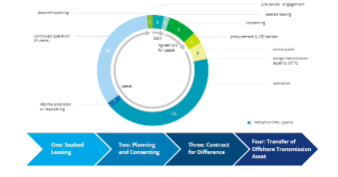
The project is designed to unlock value from legacy offshore infrastructure by converting stranded or declining hydrocarbon assets into low-carbon energy platforms. By co-locating wind generation and electrolysis offshore, the concept reduces transmission losses, avoids large onshore grid constraints and leverages existing export corridors.
The reuse of pipeline infrastructure materially lowers capital intensity and shortens development timelines relative to greenfield hydrogen export solutions.
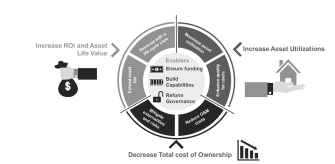
A structured feasibility scope was defined covering platform structural assessment, wind resource integration, electrolyser sizing, hydrogen compression and export modelling, pipeline integrity review, and shore-side reception requirements.
Key engineering interfaces, installation constraints and phased deployment scenarios were identified, establishing a clear pathway from technical validation through to staged execution.
Technical feasibility of offshore electrolysis integration and pipeline repurposing has been assessed, demonstrating the potential for significant capital efficiency through brownfield reuse.
The platform concept positions the asset for scalable hydrogen production aligned with offshore wind expansion, while materially reducing abandonment liabilities and stranded asset risk. Remaining value drivers include offtake structuring, regulatory alignment and capital partner entry.
The asset supports strategic joint venture participation, phased farm-in structures, infrastructure repurposing partnerships or dedicated hydrogen platform investment vehicles. Capital entry can be aligned to phased wind installation and hydrogen production ramp-up milestones.